
Table of Contents
QR codes have evolved far beyond simple black-and-white squares linking to a webpage. Today, they function as powerful marketing, analytics, and engagement tools across industries—from retail and hospitality to events, product packaging, and business networking.
One of the most common questions businesses ask is:
Can I see the history of QR codes scanned?
The short answer is yes—but only if the QR code is dynamic and connected to a tracking platform. With the right infrastructure, you can access a detailed history of scans including timestamps, locations, devices, and campaign data.
This article explains how QR code scan history works, what data can be collected, how analytics platforms track interactions, and how businesses use that data to optimize marketing and operational decisions.
What Does QR Code Scan History Mean?
QR code scan history refers to the recorded data of every time a QR code is scanned. This information is typically stored in an analytics dashboard provided by a QR code management platform.
The history can include:
- Total scans over time
- Unique scans (distinct users/devices)
- Date and time of each scan
- Geographic location
- Device and operating system
- Campaign source or label
Instead of guessing whether your QR code was used, scan history allows you to see measurable engagement data.
However, access to scan history depends entirely on how the QR code was generated.
Static vs Dynamic QR Codes: Why It Matters for Scan History
Understanding the difference between static and dynamic QR codes is essential.
| Feature | Static QR Code | Dynamic QR Code |
|---|---|---|
| Scan History Available | ❌ No | ✅ Yes |
| Editable After Printing | ❌ No | ✅ Yes |
| Analytics Dashboard | ❌ No | ✅ Yes |
| Campaign Tracking | ❌ No | ✅ Yes |
| Business Use Cases | Limited | Advanced |
Static QR Codes
A static QR code contains the destination URL directly inside the code itself.
When someone scans it:
- Their phone reads the URL.
- The browser opens the website.
No tracking server is involved, so scan history cannot be recorded.
Dynamic QR Codes
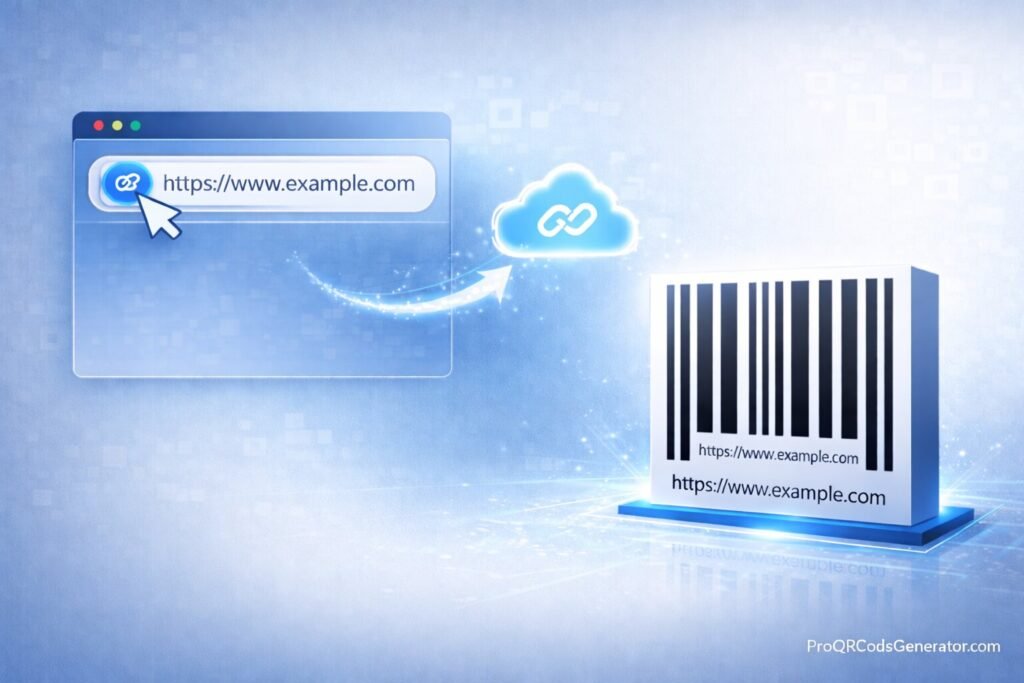
Dynamic QR codes use an intermediate redirect system.
Workflow:
- User scans QR code
- Scan request goes to tracking server
- Scan event is recorded
- User is redirected to final destination
Because the request passes through the platform, the system can store scan history and analytics.
Platforms such as ProQRCodeGenerator.com provide this dynamic architecture, allowing businesses to track engagement and edit destinations without reprinting codes.
What Data Can You See in QR Code Scan History?
When using a professional QR analytics platform, the scan history dashboard typically provides several categories of data.
1. Total Scan History
This metric shows how many times the QR code was scanned overall.
Example dashboard view:
| Date | Scans |
|---|---|
| Jan 1 | 120 |
| Jan 2 | 156 |
| Jan 3 | 210 |
This helps identify growth trends.
2. Unique vs Repeat Scans
Most analytics platforms separate:
- Total scans
- Unique scans
Example:
| Metric | Value |
|---|---|
| Total Scans | 500 |
| Unique Users | 320 |
This indicates whether people are returning to the content.
3. Timestamp Data
Scan history often records:
- Exact scan date
- Time of scan
- Hourly activity distribution
Example insight:
- Restaurant menu QR codes may see peak scans during lunch and dinner.
4. Geographic Scan History
Using IP address detection, platforms can display location data such as:
- Country
- City
- Region
Example dashboard:
| Country | Scans |
|---|---|
| United States | 540 |
| Canada | 120 |
| UK | 80 |
This is particularly useful for international marketing campaigns.
5. Device and Operating System
Scan history may include device insights:
- iOS vs Android
- Mobile vs tablet
- Browser type
These metrics help optimize mobile experiences.
6. Campaign Label Tracking
Businesses often create multiple QR codes for different campaigns.
Example labels:
- Product Packaging
- Store Window Poster
- Trade Show Booth
- Restaurant Menu
- Business Card
Scan history allows side-by-side performance comparisons.
How QR Code Scan History Is Collected
To see scan history, a QR code must pass through a tracking redirect server.
The process works like this:
- QR code encodes a short dynamic URL
- User scans code
- Request hits tracking server
- Scan metadata is logged
- User is redirected to final content
This method allows analytics platforms to collect scan data before the final page loads.
Professional systems designed for businesses—such as ProQRCodeGenerator.com—use this architecture to provide real-time dashboards and scan history reports.
Tools That Allow You to See QR Code Scan History
There are several types of tools capable of tracking QR scan history.
1. Dynamic QR Code Platforms
These provide the most comprehensive analytics.
Typical features:
- Scan history timeline
- Geographic heatmaps
- Device breakdown
- Campaign segmentation
- Editable QR codes
These tools are designed for marketing and business use.
2. UTM Tracking + Web Analytics
Another approach is adding UTM parameters to a URL.
Example:
https://example.com?utm_source=qr&utm_campaign=flyer
The QR code links to this URL, and visits are tracked in Google Analytics.
Limitations:
- Only website visits are tracked
- If page fails to load, scan is not recorded
- No direct scan history timeline
3. URL Shorteners
Some URL shortening services provide click statistics.
However, they typically lack:
- campaign labeling
- advanced analytics
- editable QR codes
This makes them less suitable for large marketing campaigns.
Business Applications of QR Code Scan History
Understanding scan history can significantly improve decision-making.
Retail Marketing
Retail stores can track which posters or displays generate the most engagement.
Example use cases:
- window displays
- shelf product information
- discount campaigns
Events and Conferences
Organizers can measure:
- booth engagement
- session participation
- post-event resource downloads
Restaurant Operations
Restaurants often track menu QR scans.
Insights may include:
- busiest dining hours
- menu engagement trends
- peak scanning locations
Real Estate Listings
Property signs often contain QR codes linking to:
- virtual tours
- property details
- contact forms
Scan history reveals which listings attract the most attention.
Product Packaging
Manufacturers use QR codes for:
- product manuals
- warranty registration
- tutorials
Scan analytics helps measure customer engagement after purchase.
Step-by-Step: How to Access QR Code Scan History
Step 1 — Create a Dynamic QR Code
Choose a QR type such as:
- URL
- WiFi
- vCard
Ensure the QR code is dynamic.
Step 2 — Deploy the QR Code
Place the code on:
- printed materials
- packaging
- digital screens
- storefronts
- business cards
Step 3 — Monitor the Analytics Dashboard
Access the platform’s dashboard to view scan history metrics.
Typical dashboard sections include:
- scan timeline
- geographic distribution
- device statistics
- campaign comparisons
Step 4 — Optimize Campaigns
Use scan history insights to improve performance.
Examples:
- move QR placement
- adjust landing page content
- test different offers
Measuring ROI Using QR Scan History
One of the most valuable uses of scan history is ROI analysis.
Example scenario:
Flyer campaign:
- 3,000 flyers distributed
- 900 QR scans
- 120 purchases
Average order value: $40
Revenue generated:
120 × $40 = $4,800
If campaign cost was $800, ROI becomes highly measurable.
Without scan history, this calculation would not exist.
Optimization Tips for Better QR Scan Analytics
Businesses should follow several best practices to improve scan tracking accuracy.
Label Every Campaign
Use unique QR codes per campaign.
Test Codes Before Deployment
Scan from multiple devices and lighting conditions.
Use Clear Call-to-Action Text
Examples:
- Scan to view menu
- Scan for discount
- Scan to download guide
Ensure Mobile-Friendly Landing Pages
Poor mobile design reduces conversions.
Security and Privacy Considerations
When collecting QR scan history, platforms must follow privacy principles.
Important considerations:
- encrypted HTTPS redirects
- anonymized analytics
- limited personal data collection
- compliance with regulations such as GDPR
Scan analytics generally records device and location metadata, not personal identity unless users submit forms.
Common Mistakes to Avoid
Businesses often fail to see scan history due to these mistakes:
- Using static QR codes
- Not labeling campaigns
- Ignoring analytics dashboards
- Linking to slow websites
- Printing QR codes too small
- Not testing before launch
Avoiding these issues ensures reliable data insights.
Can You See the History of QR Codes Scanned?
Yes—if the QR code is dynamic and connected to an analytics platform.
With modern QR technology, scan history can reveal:
- engagement trends
- campaign performance
- geographic reach
- user device patterns
- conversion opportunities
Professional platforms like ProQRCodeGenerator.com enable this level of visibility by combining dynamic QR codes, real-time analytics, editable destinations, and unlimited scan capacity.
When businesses treat QR codes as measurable marketing channels rather than simple links, they unlock powerful data insights that improve decision-making and campaign performance.
If your QR codes provide no scan history, they are missing their most valuable capability.